
P.02 — AI · Platform
Lumos AI Platform Ecosystem
Agent management, a RAG knowledge platform, agent–human collaboration and real-time messaging — internal platforms built from zero for CodeGen's engineering organisation.
- Role
- Associate Software Engineer · Primary author
- Year
- 2025 — 26
- Company
- CodeGen International · Lumos

01 — Overview
Overview
Around the application builder sits an ecosystem of internal platforms used across a ~200-person engineering organisation — by architects, technical leadership, engineering teams and the design team.
Together they let the company create and govern agents, give them reliable knowledge, and work alongside them day to day.
None of these platforms existed before. I started each from zero and wrote most of the modules I own.
02 — The problem
Agents are only as useful as the context, tools and oversight around them.
Teams needed one place to configure agents and MCP connectivity, a way to turn company knowledge into something agents can retrieve, and a structured way for agents and engineers to share context and hand work back and forth.
03 — The system
The RAG knowledge platform
Knowledge bases are created, ingested, tested and served to downstream agents and CLI tools. Retrieval strategies can be combined, compared side by side and chosen per knowledge base.
- 01
Ingest
PDF, DOCX, Markdown, TXT, Confluence and code repositories.
- 02
Chunk
Selectable chunking strategies, configured per knowledge base.
- 03
Embed
OpenAI text embedding models.
- 04
Store
Weaviate vector store.
- 05
Retrieve
Hybrid search, metadata filtering and query rewriting.
- 06
Rerank
Reranking to sharpen what reaches the agent.
- 07
Compare
Configurations tested side by side with human review.
- 08
Serve
Consumed by downstream AI agents and CLI tools.
04 — Modules
One ecosystem, several platforms.
01Agent Management Dashboard
Used by architects and technical leadership to create and configure agents per team, set up MCP connectivity, monitor activity and manage testing environments.
02RAG Knowledge Platform
Create, ingest, manage and test knowledge bases. I personally built the bulk ingestion pipeline — batching, retry logic, concurrency control and resumability.
03Agent–Human Collaboration
AI-assisted software development for internal teams — shared context and memory, task coordination and structured handoffs between agents and engineers.
04Real-time Chat
A full-featured real-time chat system built on RabbitMQ inside Lumos.
05Lumos Insights
Current work: the org-level intelligence, analytics and governance layer, starting with Memory Insights across agent memory, external knowledge, artifacts and decisions.
05 — My contribution
Team, and what was mine.
Team
- Lumos R&D team of about 10
- Lumos Insights is a team build currently in progress
- Architects and leads as primary users and reviewers
My contribution
- Started the agent dashboard, RAG, collaboration and chat platforms from zero
- Built the bulk ingestion pipeline: batching, retries, concurrency control, resumability
- MCP connectivity configuration for agents
- Azure deployment of the platforms
- Knowledge-transfer sessions on agentic architecture, MCP, RAG and AI-assisted development
06 — Technical depth
What it's built with, layer by layer.
- AI
- OpenAI · Anthropic Claude · Google Gemini · OpenAI embeddings · MCP
- Retrieval
- Hybrid search · Reranking · Metadata filtering · Query rewriting · Chunking strategies
- Data
- Weaviate
- Messaging
- RabbitMQ · Real-time messaging
- Infrastructure
- Microsoft Azure
07 — Gallery
In pictures.
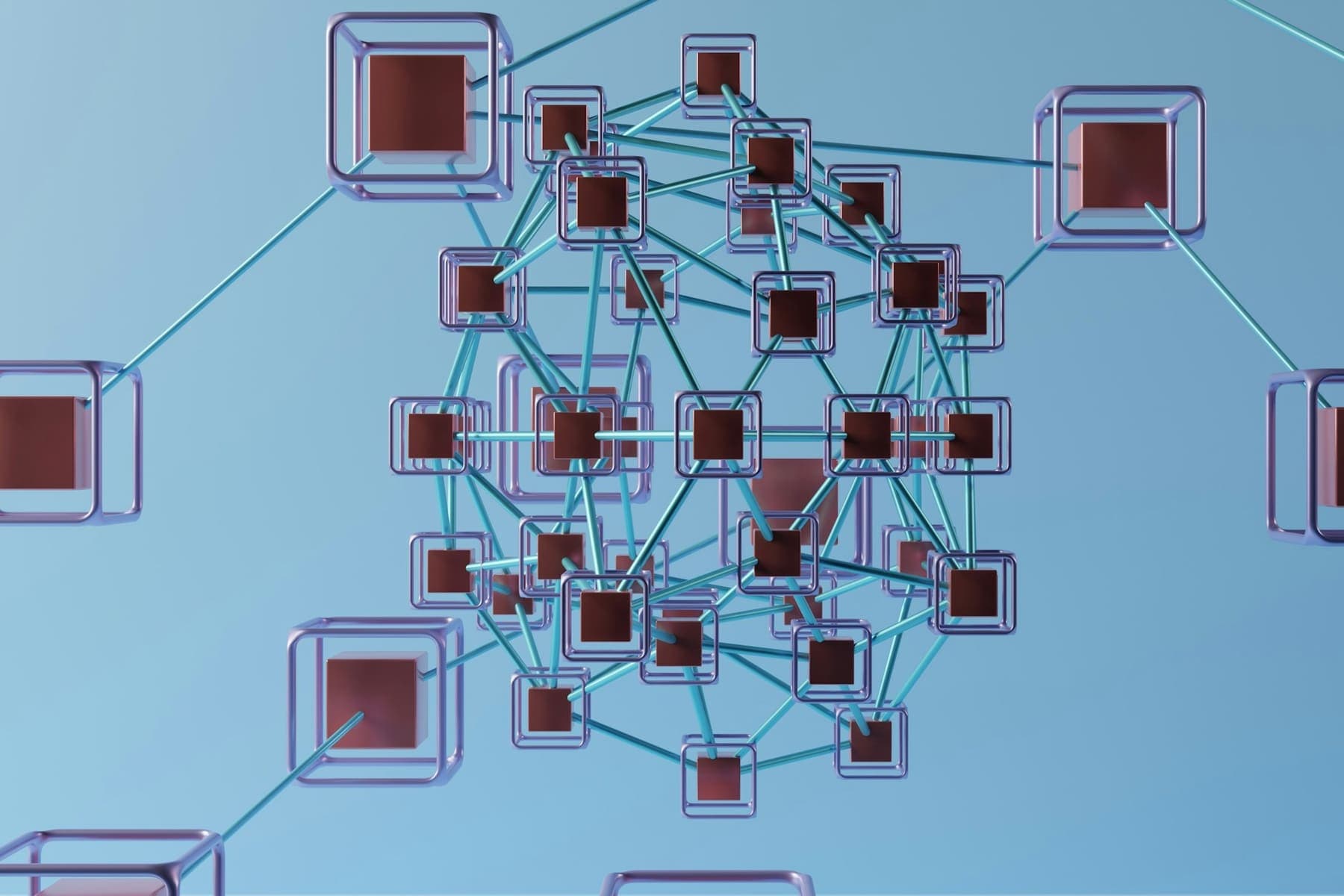
Internal platform — product screens are under NDA, so these images set the scene rather than show the UI.
08 — Outcome
Where it landed.
6
Platforms
started from zero inside Lumos
6
Source types
ingested into knowledge bases
3
Model providers
OpenAI, Anthropic and Gemini
In daily use across the organisation — the agent dashboard by architects and technical leadership, the RAG platform by agents and CLI tools, the collaboration platform by engineering teams.
Retrieval quality is evaluated through human review and side-by-side comparison of configurations.